
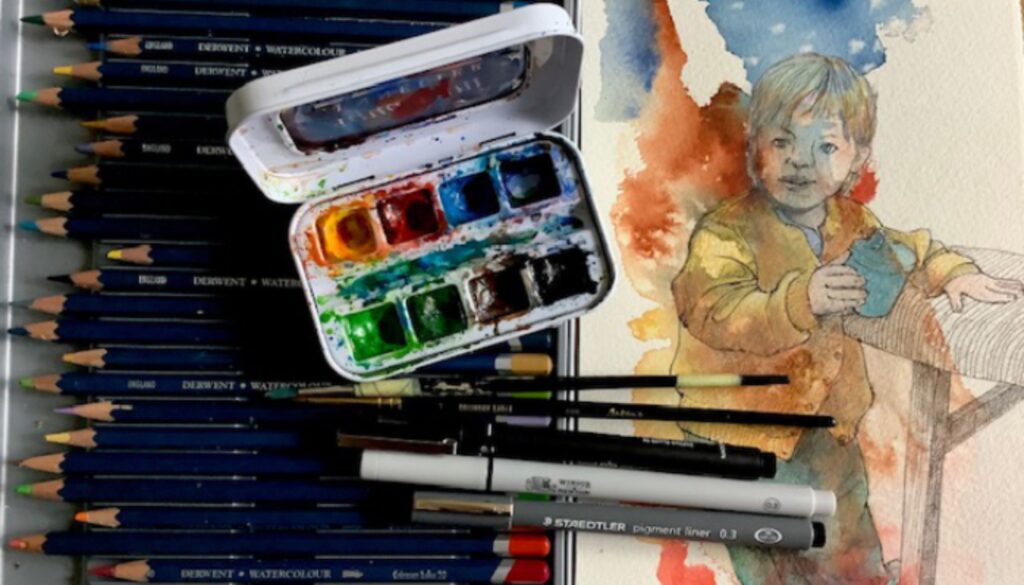
TUTORIAL – Lesley Rumble experiments with paper and paint
Materials Saunders Waterford NOT 300g (100% cotton, mould made, acid-free) Sennelier watercolour paints: Burnt Umber, Primary yellow, French Vermillion, Cinerous blue, French ultramarine Pens: W&N 0.3, Unipin fine line 0.1, Staedtler pigment liner 0.3 Derwent Watercolour pencils Any small brush with a fine point The…
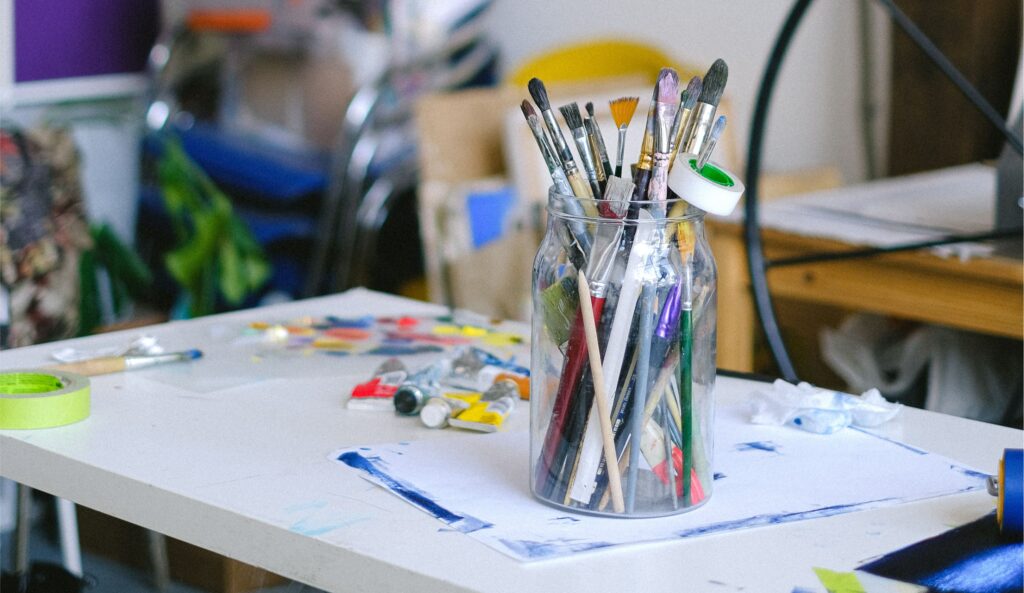
TUTORIAL – Painting with gouache by David Harrison – Part one: the basics
Since leaving art school (a few years ago), I have experimented with charcoal, graphite, pastels, oils, acrylic, mixed media and gouache (pronounced: gwash). I think that it is important for artists to experiment and try out different media and techniques, and to be continually challenged…

TUTORIAL – Painting with gouache by David Harrison – Part two: step-by-step tutorial
March Shadows Stage 1 One morning in March this year I set up my easel on the grass verge near the road. The morning was full of bright sunshine and beautiful shadows cast by the trees to my left. I was attracted to this scene…
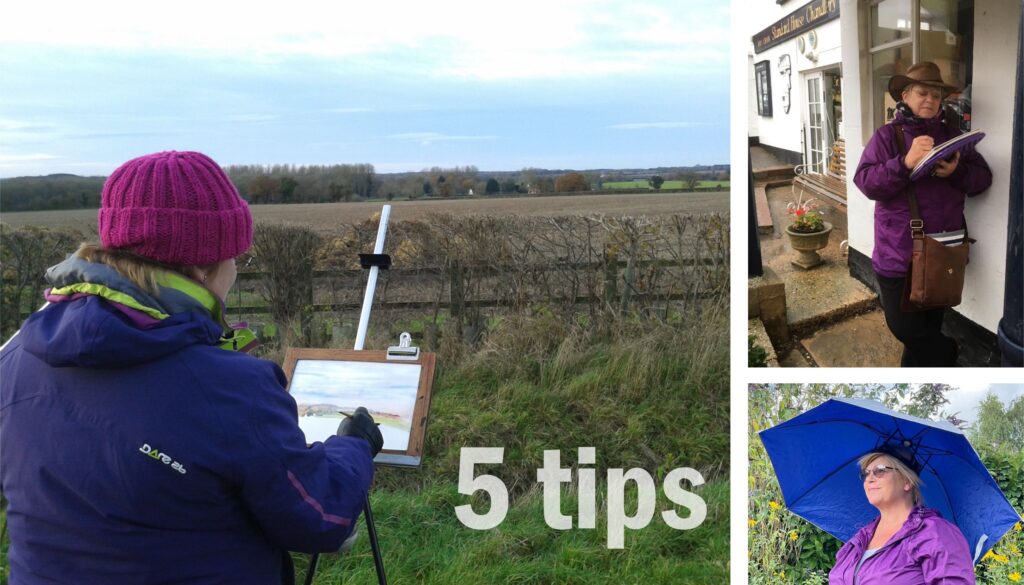
TIPS – painting outdoors in winter from Linda Purdy
My name is Linda (you may know me as the SEAW Secretary). My favourite pastime is sketching outdoors – in any weather, at any time of year. There is no ‘best’ time as every season brings its own joy. Top Tips – these work for…
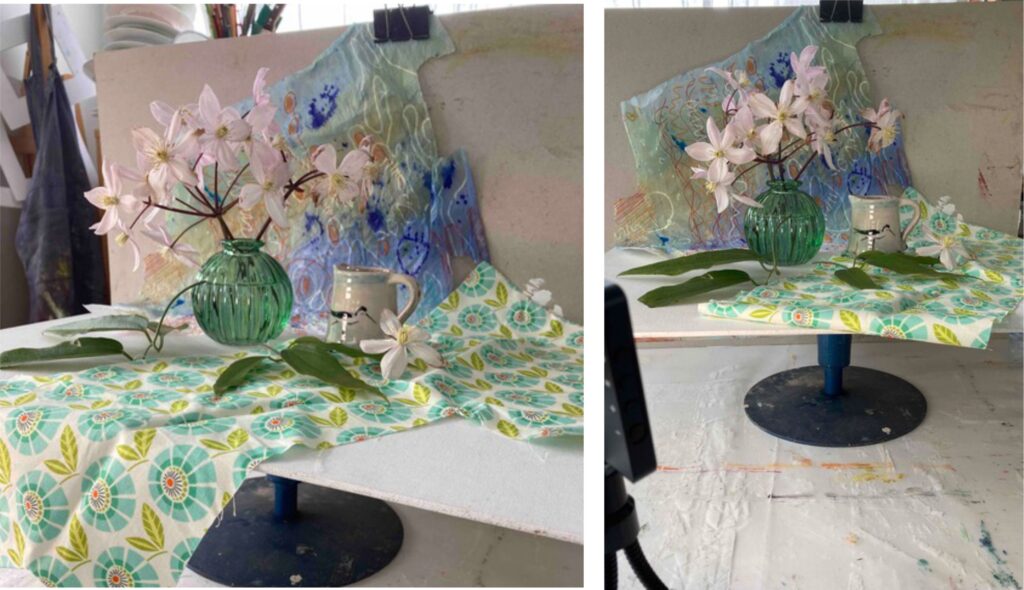
TUTORIAL – Considering Composition with Astrig Akseralian
For this exercise I have set up a small still life on a turn table using some of my hand painted collage paper and a remnant of patterned fabric. It’s important to be inspired by what you have set up so it’s worth spending some…

TUTORIAL – Jackie Devereux’s wonky pink pot
I have developed a passion for pots over the years and can never resist an evocative shape in a charity shop window, and in particular those that are hand built or hand thrown and showing signs of pressure marks. I turn them into my own…

TUTORIAL – Alan Noyes: Don’t be afraid of the dark, part I
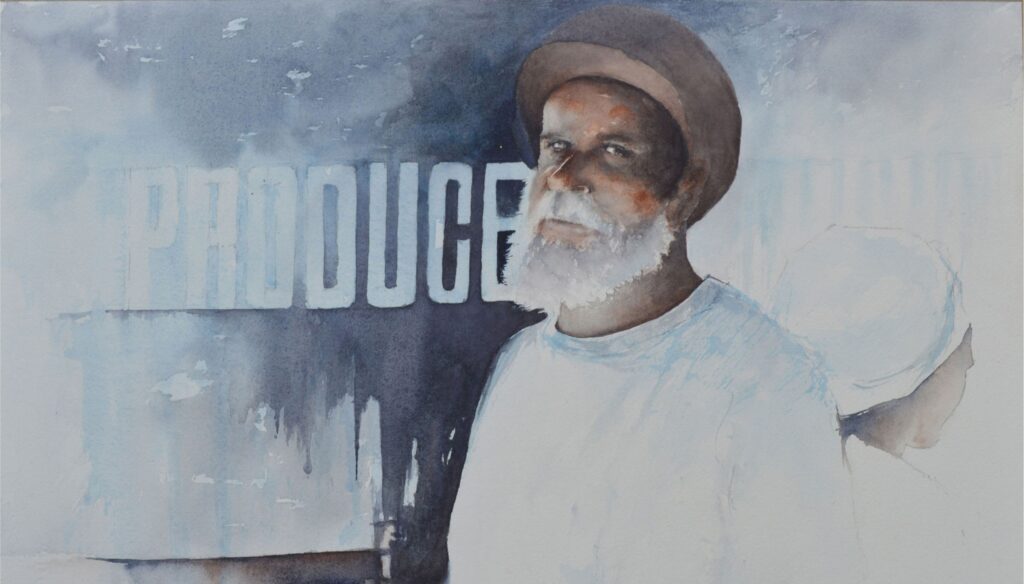
I am assuming that those of you reading this Newsletter have some experience of the gentle art of watercolour – some more than others, some of you may even be starting afresh with a new medium. Those of us who have some experience of the…
TUTORIAL – Alan Noyes: Don’t be afraid of the dark, part II
Mixing interesting darks This is a difficult one. In theory we only need six pigments on our palette – A warm Red, Yellow and Blue and a cool Red, Yellow and Blue and with those six you should be able to mix any colour your…

5 tips for great watercolours with Annie Rice
Know your paints Which colours are transparent and which ones opaque? A transparent is clear, beautiful, and will bleed into other colours for wet in wet. Opaques are solid but are useful for detail, overlaying other colours and making a bold statement. An opaque mixed…
TUTORIAL – Botanical style by Sarah McGonigle
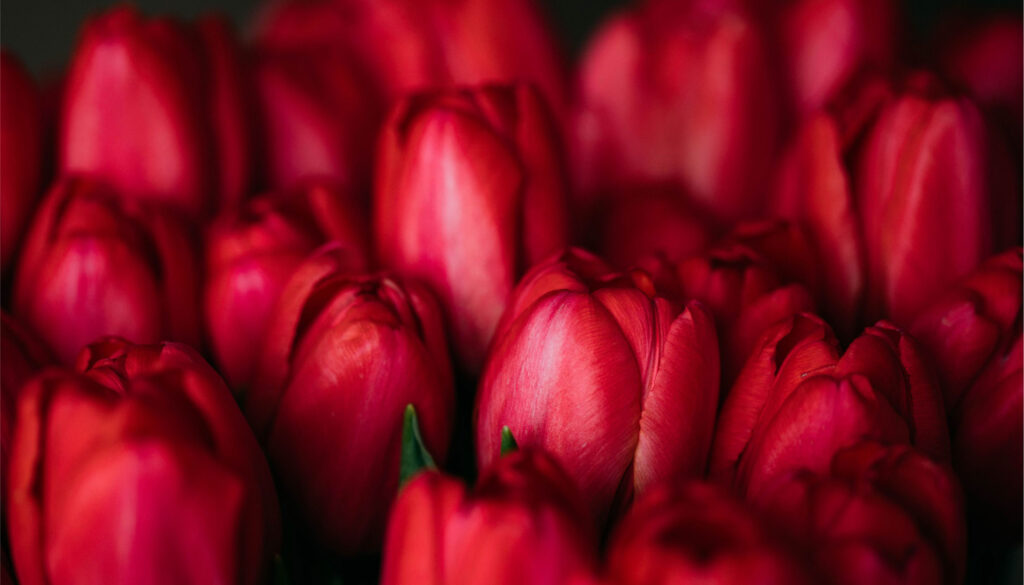
I do not profess to be a botanist, merely an enthusiastic flower painter! Botanical painting can sometimes be seen as laborious. Some complex flower paintings, especially dark flowers, can take many hours to complete. I have been painting for over 20 years, and am lucky…