5 tips for great watercolours with Annie Rice
Know your paints
Which colours are transparent and which ones opaque? A transparent is clear, beautiful, and will bleed into other colours for wet in wet. Opaques are solid but are useful for detail, overlaying other colours and making a bold statement. An opaque mixed with an opaque will make a strong overlaying paint but 3 opaques mixed together will make mud. If you overuse opaques your water pot will get a layer of ‘mud’ at the bottom.
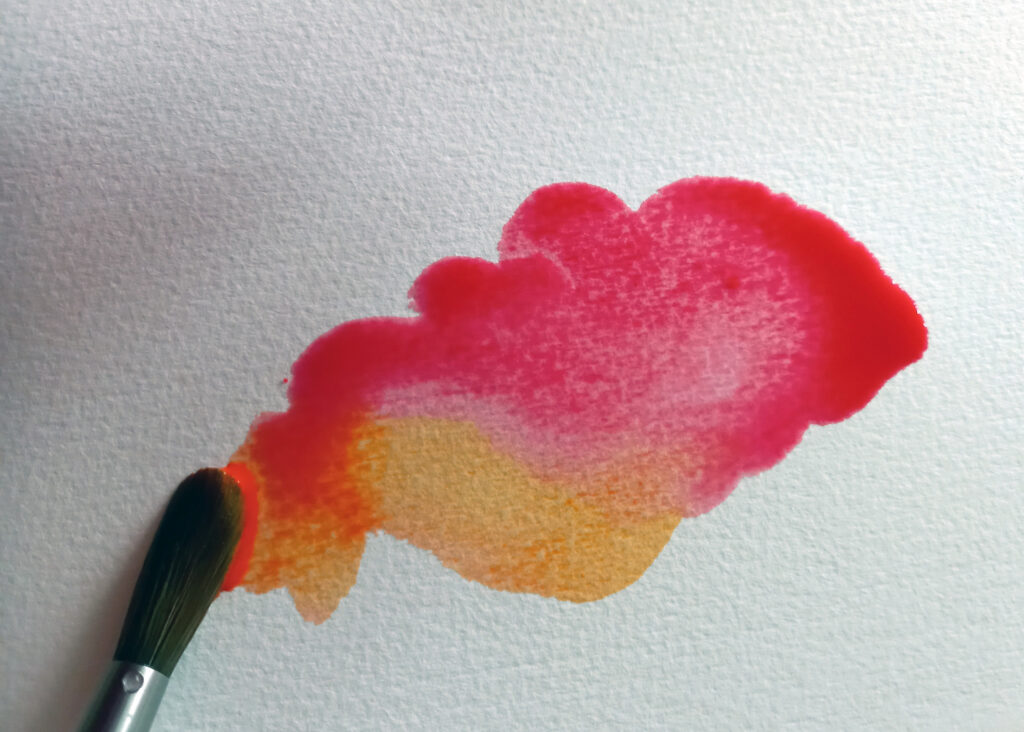
Know how to use your brush
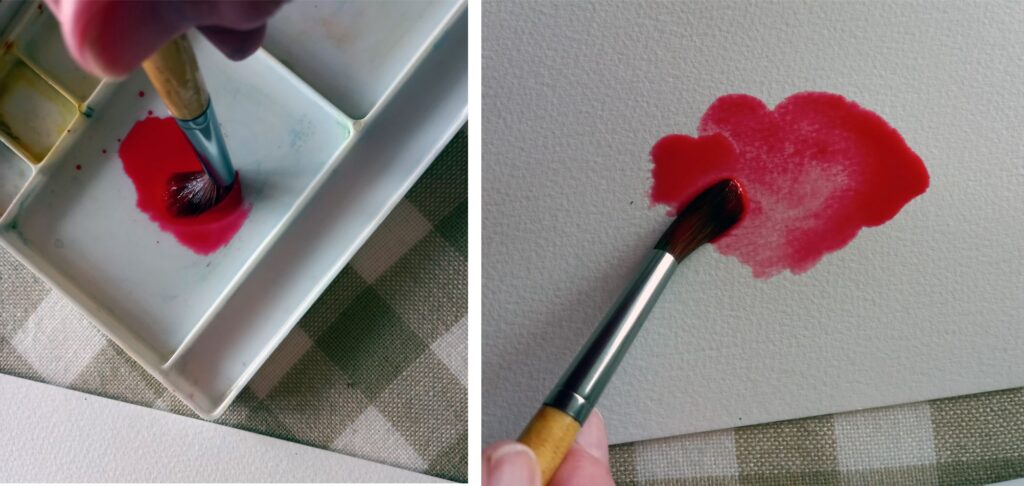
The well of the brush is near the ferule (the metal area which holds the hairs/bristles), you need to immerse the well fully into your puddle of paint. Knock excess off the tip, and press your brush onto the paper – this will release a flow of paint which will cover a large area without requiring a lot of brush marks. Using only the tip of your brush, which will only hold a teeny amount of paint, will result in ‘lines’.
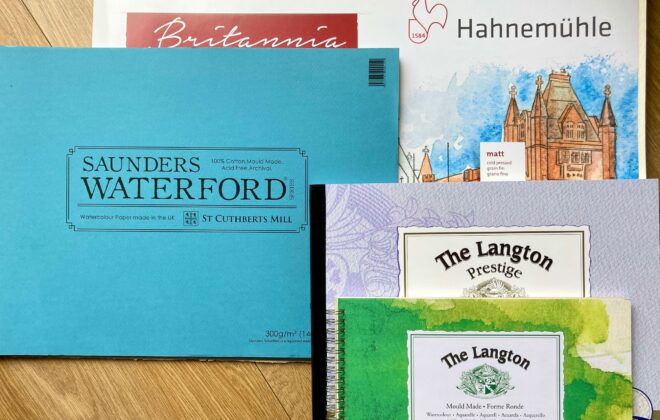
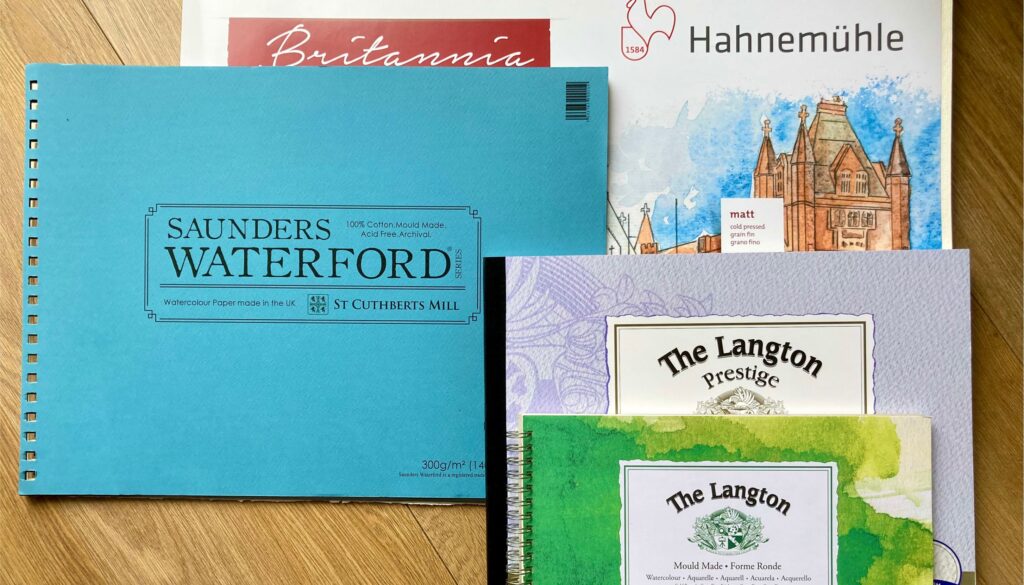
Know your support
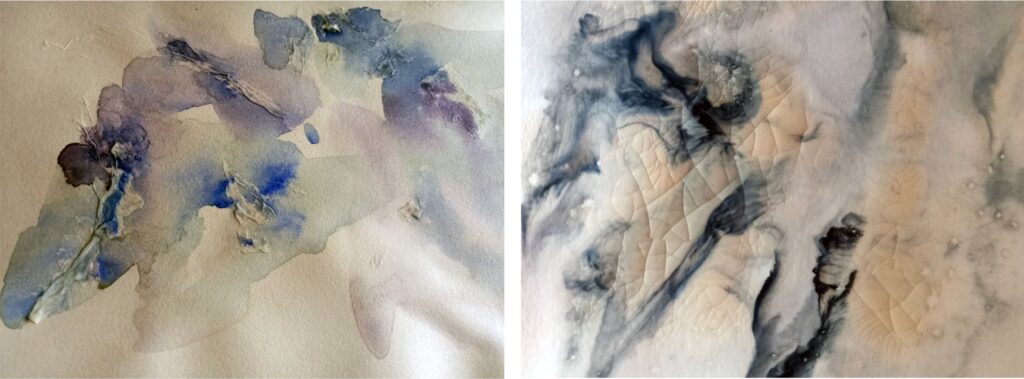
Try to disturb and distort the surface and watch what your paint does, eg torn paper edges will absorb the pigment and make darker lines. Add glues, wax resist or tissue to the surface and see the change it makes to your pigment on the paper.
Know that there are no rules
Watercolour is frustrating and we have all learned so much that it can be overwhelming and paralysing. Remember how and what you paint is special to you, you are putting yourself on paper. Be confident, relax and enjoy painting.
Know a little, but not a lot
About how you want your finished painting to look. Just start and let the painting take you on a journey. Lose control and see what happens!